


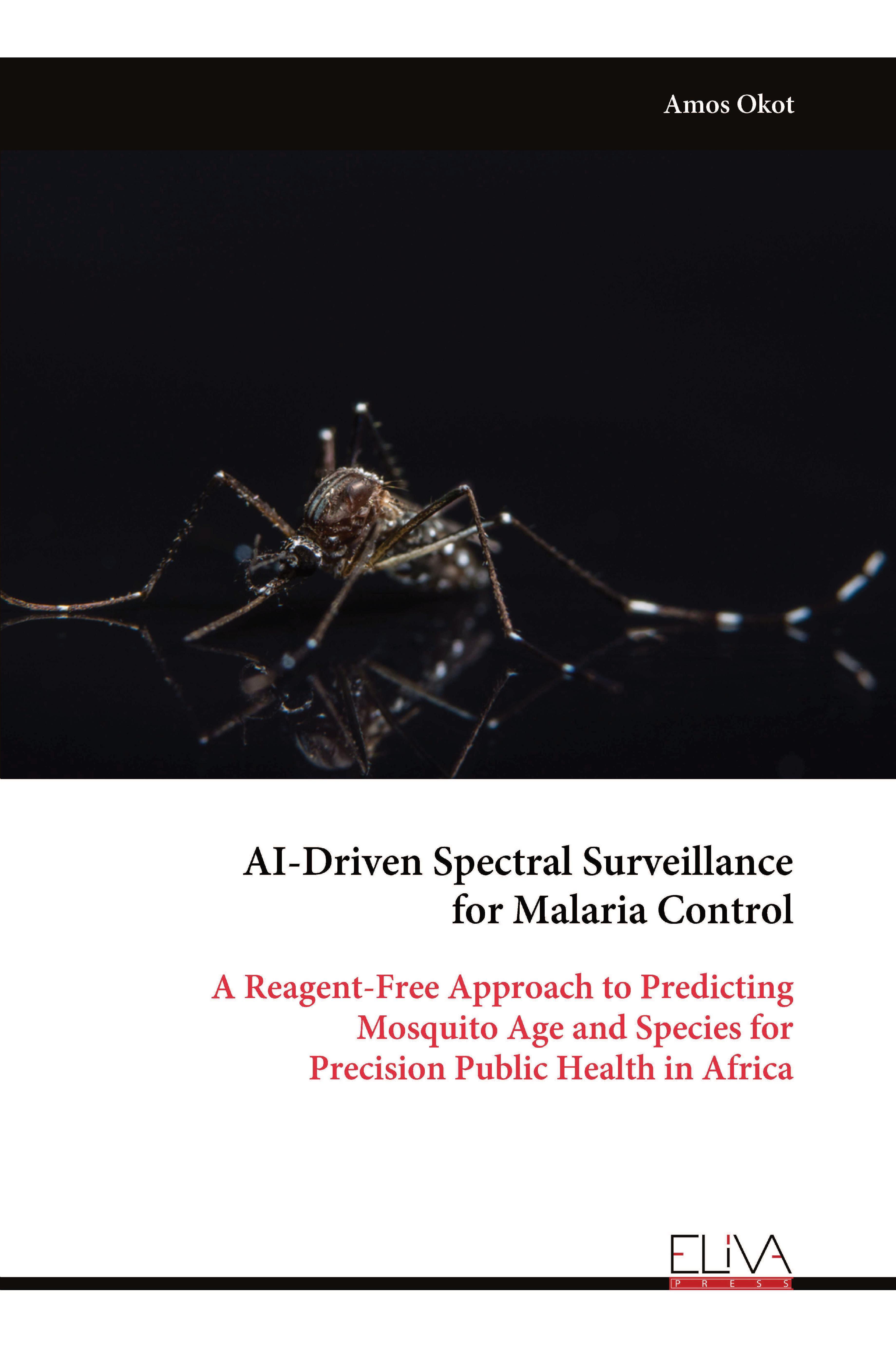
Description
Artificial intelligence and mid-infrared spectroscopy are opening a new frontier in malaria surveillance. This book presents a pioneering reagent-free approach for predicting mosquito age and species using spectral fingerprints and machine learning, offering a rapid and scalable alternative to labor-intensive methods such as ovarian dissection and PCR. Drawing on international research and operational experience from Uganda, this work demonstrates how advanced analytics can transform malaria vector monitoring in resource-limited settings. Accurate determination of mosquito age structure is critical because only older mosquitoes survive long enough to transmit malaria parasites. By enabling high-throughput phenotyping without reagents, this technology has the potential to strengthen vector control programmes, detect emerging transmission risks earlier, and reduce surveillance costs. Beyond malaria, the book explores how spectral technologies and artificial intelligence can support precision public health, climate-resilient disease monitoring, and the development of locally driven scientific innovation in Africa. Designed for researchers, public health professionals, students, and policymakers, this book offers both a scientific foundation and a practical vision for the next generation of intelligent, low-cost surveillance systems that could help accelerate the path toward a malaria-free.