


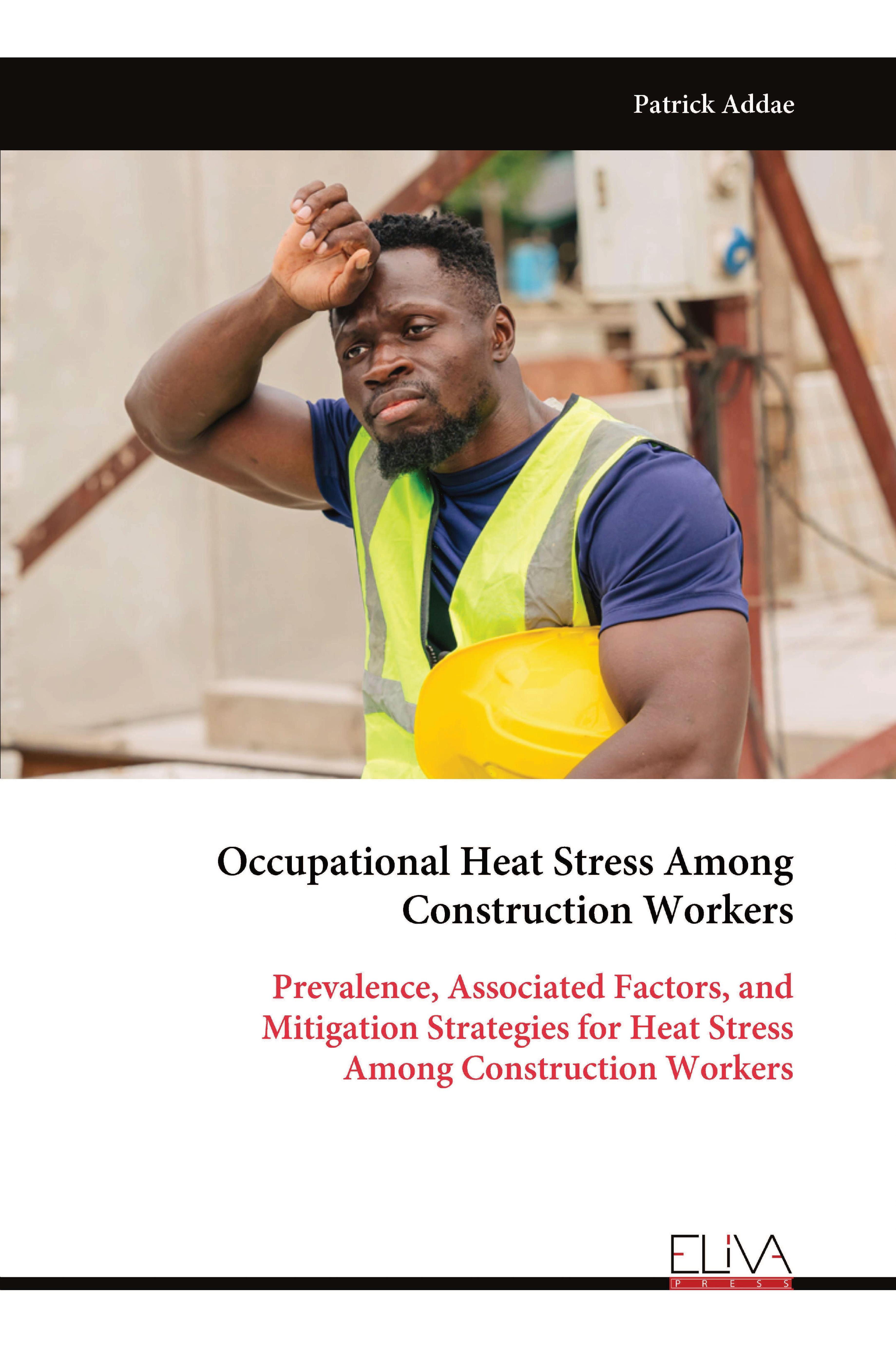
Occupational Heat Stress Among Construction Workers
$ 54.5
Description
Leave review
Description
The study found that heat stress was a significant occupational health and safety concern among construction workers at the Tema Port Expansion Project in Ghana. Approximately 76.7% of respondents reported having experienced heat stress, while 52.3% reported experiencing it at the time of the study. Although 90.7% had access to drinking water, only 27.9% reported access to covered water storage, highlighting a gap in safe water provision. In addition, 40.7% had not received heat stress training, 20.9% had not undergone safety induction, and 53.5% reported the absence of buddy monitoring. Nearly half (47.7%) felt pressured to limit their water intake, while 54.7% reported the absence of an emergency protocol for heat-related incidents.
The findings also revealed differences in heat stress outcomes across worker characteristics. Female workers were 60% more likely to experience heat stress than male workers, while workers with tertiary education had lower adjusted odds of reporting heat stress. Workers with three to five years of experience also showed a significant association with recognition of the heat mitigation plan. These findings highlight the need for gender-responsive heat protection, regular training, adequate hydration, structured rest breaks, buddy monitoring, and clear emergency response procedures. Strengthening these measures is essential to protecting construction workers’ health, safety, and productivity in Ghana’s increasingly hot working environments.