


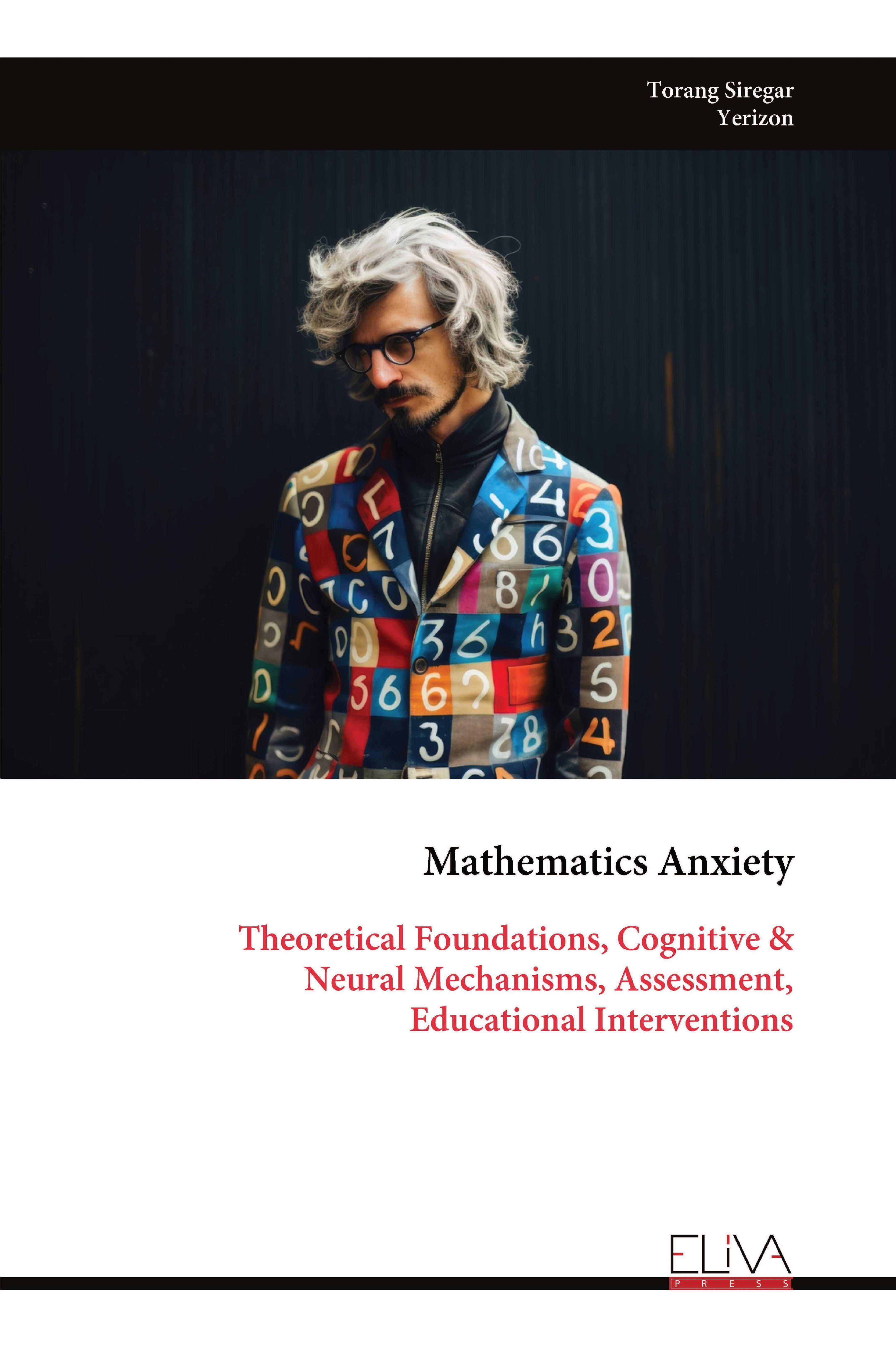
Mathematics Anxiety
$ 85
Description
Leave review
Description
Mathematics Anxiety provides a comprehensive academic examination of mathematics anxiety as a multidimensional phenomenon influencing learners’ emotions, cognition, behavior, and engagement with mathematics across the lifespan. The book introduces the concept through its historical development, theoretical foundations, characteristics, and distinction from related forms of anxiety, establishing its significance for mathematics education and lifelong learning.
The book integrates major psychological and educational perspectives, including Anxiety Theory, Cognitive-Attentional Theory, Control-Value Theory, Social Cognitive Theory, and Attentional Control Theory. It further explores the cognitive mechanisms underlying mathematics anxiety, including working memory, attentional bias, cognitive load, mathematical worry, numerical processing, and problem-solving, alongside neural and physiological mechanisms involving the amygdala, prefrontal cortex, parietal cortex, cortisol, autonomic responses, and neuroimaging evidence.
Particular attention is given to the developmental, social, cultural, and educational factors associated with mathematics anxiety from early childhood through adulthood. The book examines parental and teacher influences, classroom climate, peer relationships, social comparison, gender and stereotype-related factors, cultural variation, socioeconomic conditions, and the consequences of mathematics anxiety for achievement, mathematics participation, STEM pathways, and longer-term educational and occupational outcomes. It also presents approaches for assessment and measurement, including self-report instruments, behavioral and physiological measures, interviews, and technology-enhanced assessment.
The final part focuses on evidence-informed interventions and educational strategies for reducing mathematics anxiety and supporting positive mathematical engagement. Cognitive-behavioral approaches, mindfulness, expressive writing, emotion regulation, pedagogical interventions, technology-based strategies, and teacher professional development are examined alongside future research directions. Written for mathematics educators, researchers, teacher education.