


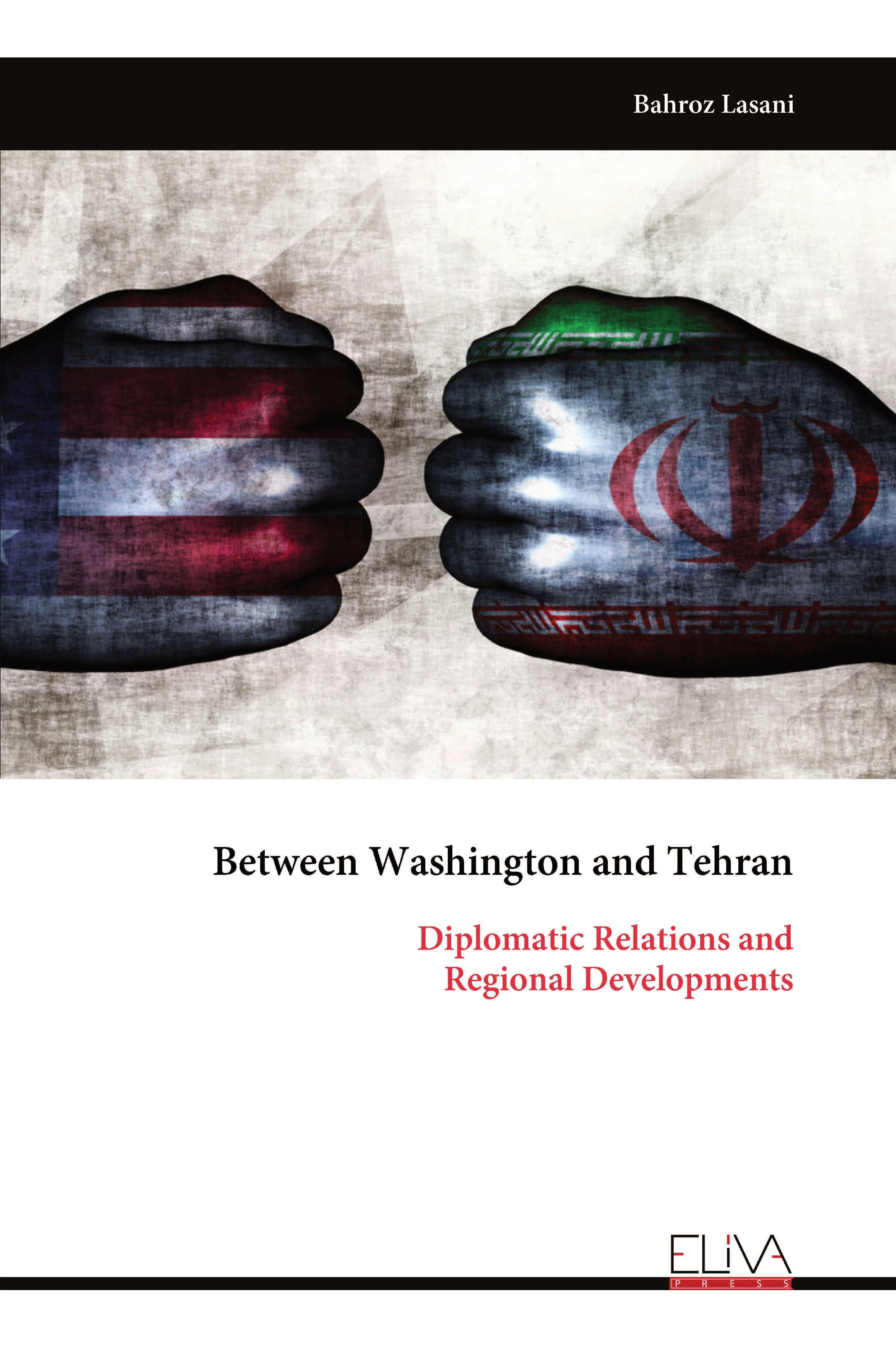
Between Washington and Tehran
$ 54.5
Description
Leave review
Description
On 11 April 2026, Islamabad shut down an entire diplomatic district, deployed ten thousand security personnel, and hosted something the world had not seen since 1979: American and Iranian officials sitting across the same table, trying to end a war. Twenty-one hours later, they had no signed agreement. What they had instead was proof that Pakistan — a country whose own instability usually dominates how it's discussed abroad — had become the venue, and to a striking degree the broker, of the most consequential diplomacy of the decade.Between Washington and Tehran is the first book-length account of how that happened, and what it means.Bahroz Lasani traces Pakistan's improbable position at the crossroads of nearly every major fault line in contemporary geopolitics — a former frontline ally of Washington, Iran's neighbor and historic cultural cousin, Saudi Arabia's security partner, China's strategic partner, India's nuclear rival, and Afghanistan's uneasy neighbor — back through two thousand years of history, from the Indus Valley and Achaemenid Persia through the Mughal-Safavid courts, the 1979 Iranian Revolution, and Pakistan's own quiet role opening U.S.–China relations in 1971.But this is not only a history. It is a close, unflinching account of the war itself: the killing of Iran's Supreme Leader in a joint American-Israeli strike, the missile barrages that struck every Gulf Arab state but one, the closure of the Strait of Hormuz and the economic shockwaves that followed, the B-2 bombers and carrier strike groups and Iron Dome intercepts that defined its battlefields, and the staggering, still-contested human cost on every side. It examines Iran's revolutionary ideology and the deep, two-thousand-year history of Persian-Jewish relations that the post-1979 rupture obscures. It asks hard questions about who actually started the war — and refuses easy answers. And it gives India, watching from across the subcontinent, its own chapter: what New Delhi saw in Pakistan's sudden relevance, and why it chose restraint over alarm.