


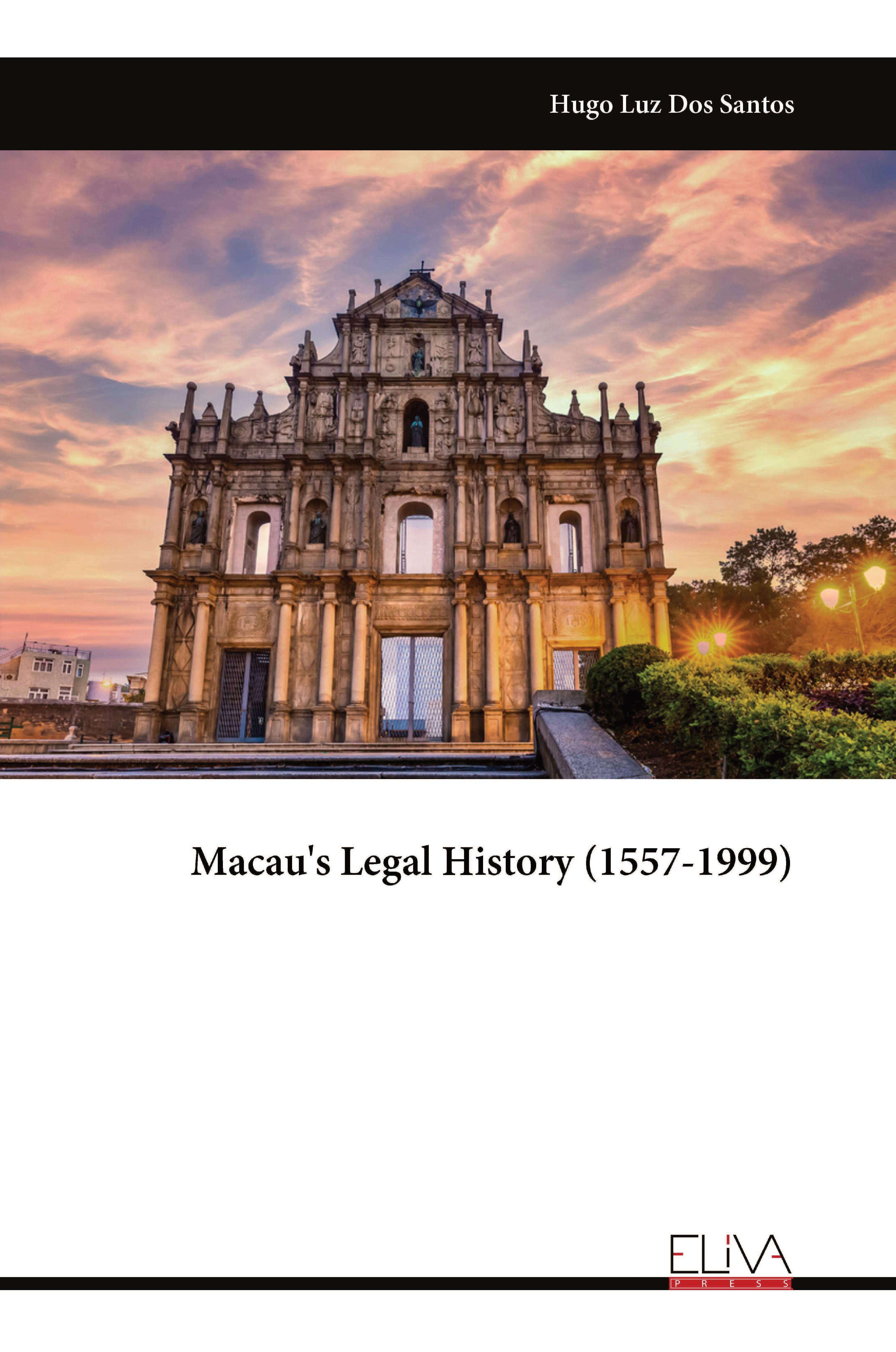
Macau's Legal History (1557-1999)
$ 45.5
Description
For a long-winded/drawn-out/long haul span of time, the imperial decrees and ancestral customs of the Middle Kingdom wielded redoubtable sway over the maritime gateway of Macau. European legal ambitions remained a faintly aloof fiction, strictly contained by Chinese sovereignty. Yet, as the nineteenth century trudged on, the brisk decay of the Qing Dynasty dismantled/crippled/crumbled that long-cherished social stability, thereby wide-opening opening a rare window of vulnerability. Portuguese authorities seized this tournant to attain what was previously beyond their rosy expectations: the wholesale displacement of deeply entrenched rites and the imposition of a European legal scaffolding in the far east. Through a groundswell of piecemeal/haphazard legal engineering, Lisbon’s foundational legal codes - the Criminal Code of 1852, the Civil Code of 1867, the Civil Procedure Code of 1876, and the Commercial Code of 1888 - were directly etched into local soil, linking the territory's administrative destiny to the legal traditions of Continental law. This book bestows upon readers a noticeably clear window into perceptions about this tectonic shift in Macau’s legal history by canvassing the foundations upon which stands such tipping point. By unpacking the tangled/convoluted lattice of mid-nineteenth-century legal pollination, the author probes how Macau’s contemporary legal framework is not merely a modern construction, but the byproduct/outgrowth of an era of colonial opportunism and structural transformation that still ripples forward. A pivotally important monograph for pundits of comparative law, legal history, and East-West institutional jurisprudence.