


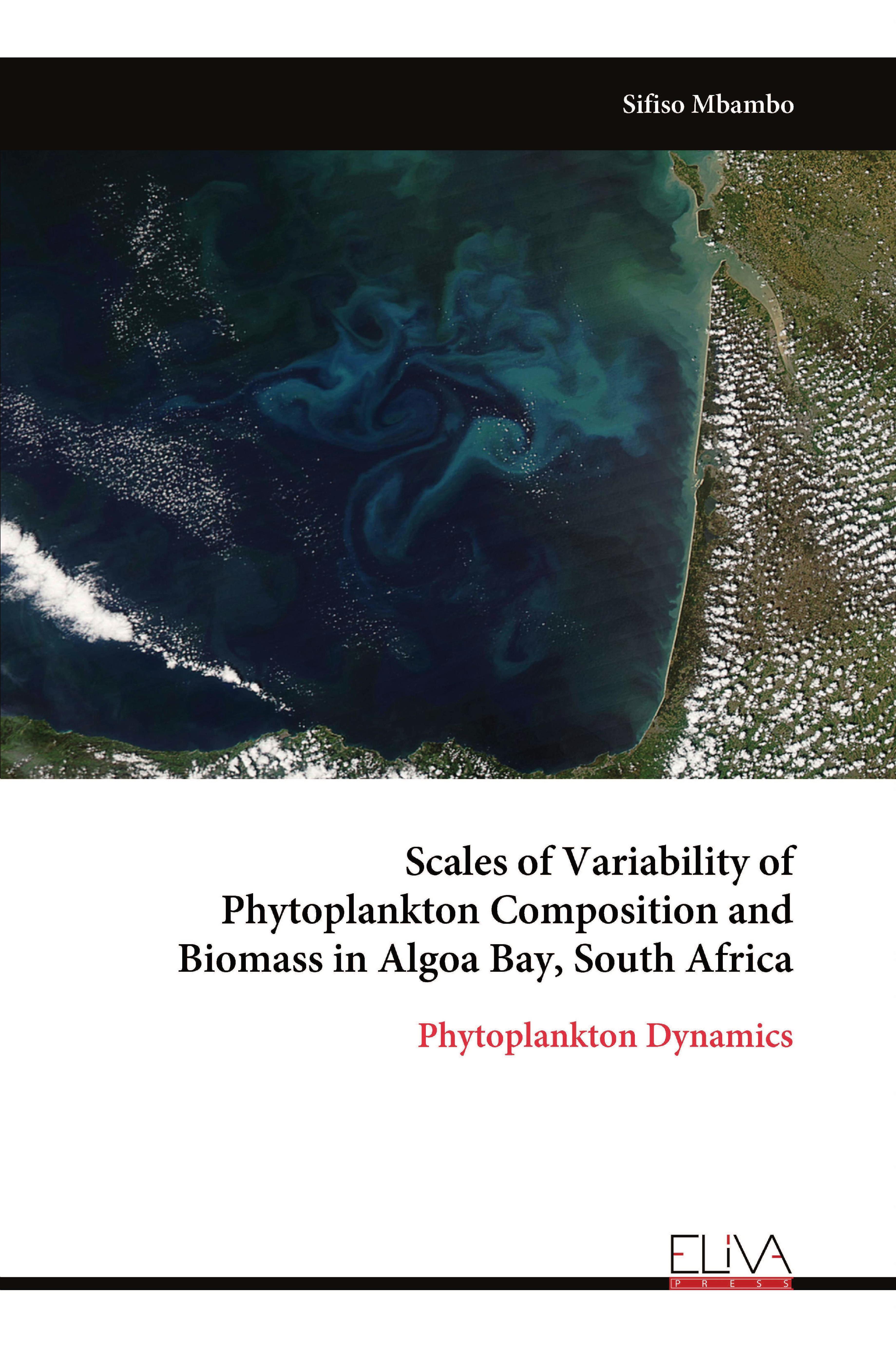
Scales of Variability of Phytoplankton Composition and Biomass in Algoa Bay, South Africa
$ 49.5
Description
Scales of Variability of Phytoplankton Composition and Biomass in Algoa Bay, South Africa Phytoplankton form the foundation of marine ecosystems, supporting ocean productivity, fisheries, and aquaculture. Yet the environmental processes that shape their distribution and abundance remain highly dynamic and are often poorly understood. This publication investigates how physical and chemical oceanographic processes, including wind patterns, sea surface temperature, water column structure, and nutrient availability, influence phytoplankton community composition and biomass across seasonal and interannual timescales. Drawing on extensive field observations, long-term environmental monitoring, and multivariate ecological analyses, this book reveals how changes in oceanographic conditions drive shifts in phytoplankton assemblages within one of South Africa's most important coastal ecosystems. The findings also highlight the implications of these dynamics for Pacific oyster aquaculture, demonstrating how nutrient limitation, upwelling events, and species succession influence the suitability of Algoa Bay for shellfish production. Bridging marine ecology, biological oceanography, and coastal resource management, this work provides valuable insights for marine scientists, oceanographers, environmental managers, postgraduate students, and aquaculture practitioners. It contributes to a deeper understanding of the complex interactions between ocean processes and primary productivity while offering a scientific foundation for the sustainable management of South Africa's coastal marine ecosystems.