


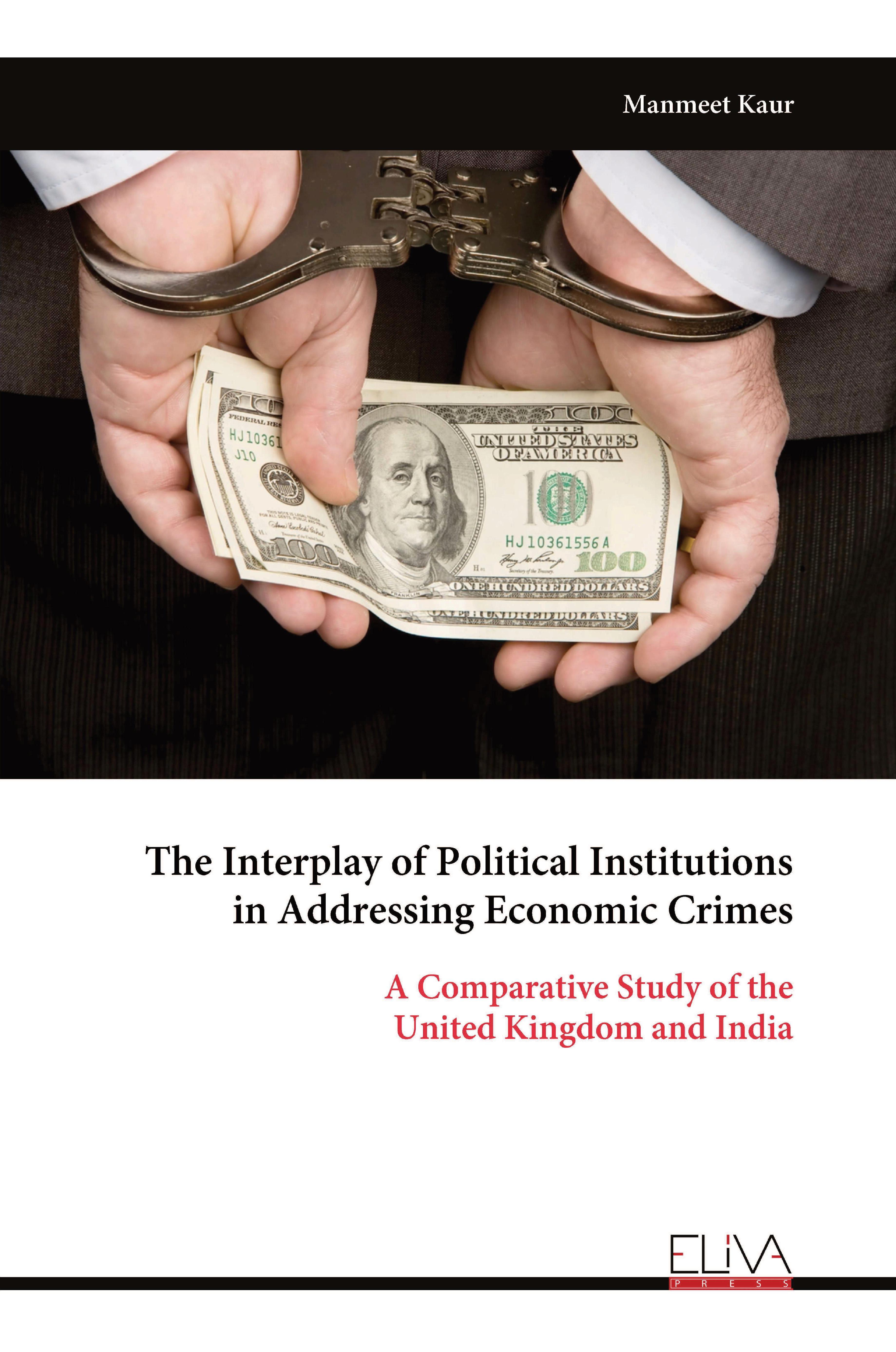
The Interplay of Political Institutions in Addressing Economic Crimes
$ 45.5
Description
Economic crimes pose a serious challenge to the integrity of financial systems, public institutions and the rule of law. Their complex and cross-border nature requires effective coordination among political, legislative, executive and enforcement institutions. This book examines the role and interplay of political institutions in addressing economic crimes in the United Kingdom and India. Through a comparative analysis, it explores how constitutional structures, legislative frameworks, executive authorities, investigative agencies and institutional mechanisms respond to offences such as fraud, corruption, money laundering and financial misconduct. The study highlights the similarities and differences between the two jurisdictions and critically examines issues of institutional coordination, accountability, independence, enforcement and regulatory effectiveness. It also considers the challenges faced by India and the United Kingdom in balancing effective economic-crime control with principles of due process, transparency and the rule of law. By bringing together comparative constitutional, legal and institutional perspectives, the book seeks to contribute to the understanding of how political institutions can work together to strengthen the fight against economic crime.