


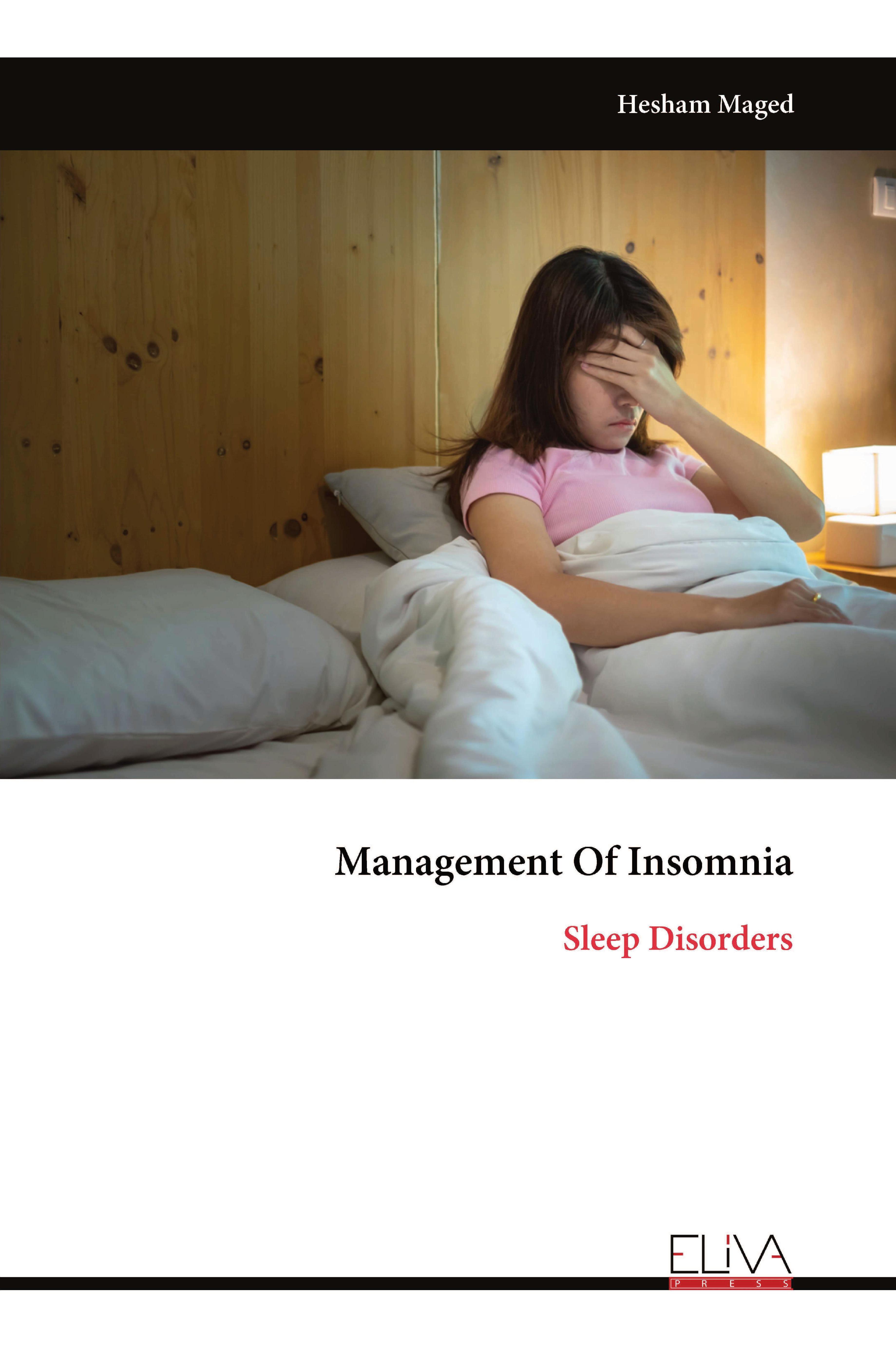
Management Of Insomnia
$ 42.5
Description
Insomnia is a common sleep disorder characterized by persistent difficulty falling or staying asleep, leading to daytime fatigue, irritability, and poor concentration. Causes include stress, poor sleep habits, anxiety, depression, or underlying medical conditions. Treatments often involve Cognitive Behavioral Therapy (CBT-I) and lifestyle changes. Symptoms of Insomnia Trouble falling asleep or staying asleep. Waking up too early and unable to return to sleep. Feeling tired, unrefreshed, or moody during the day. Difficulty concentrating, memory issues, or decreased performance. Ongoing worries about sleep. Causes of Insomnia Stress: High stress levels related to work, school, health, or family. Lifestyle & Habits: Irregular sleep schedules, poor sleep hygiene (e.g., using screens), and naps. Mental Health Disorders: Anxiety, depression, or PTSD. Medical Conditions: Chronic pain, acid reflux, asthma, or neurological disorders. Substances & Medications: Caffeine, nicotine, alcohol, or specific medications. Risk Factors Gender: Women are more likely to have insomnia due to hormonal changes, including menstruation, pregnancy, and menopause. Age: Older adults (60+) are at higher risk. Work Schedule: Night shifts or frequent, major, or rotating shift changes. Environment: Traveling long distances (jet lag). Complications Reduced performance at work or school. Lower quality of life and strained relationships. Increased risk of accidents (e.g., while driving). Mental health issues, such as depression or anxiety. Treatments and Management Cognitive Behavioral Therapy for Insomnia (CBT-I): Often the first-line treatment to manage or eliminate negative thoughts and behaviors surrounding sleep. Lifestyle Changes: Maintaining a strict sleep schedule, exercising, and creating a comfortable, dark bedroom environment. Medical Treatment: Short-term use of prescription or over-the-counter (OTC) sleep medications. Relaxation Techniques: Yoga, meditation, or listening to music.