


Navigating Professional Identity in Rural Education
$ 45.5
Description
Leave review
Description
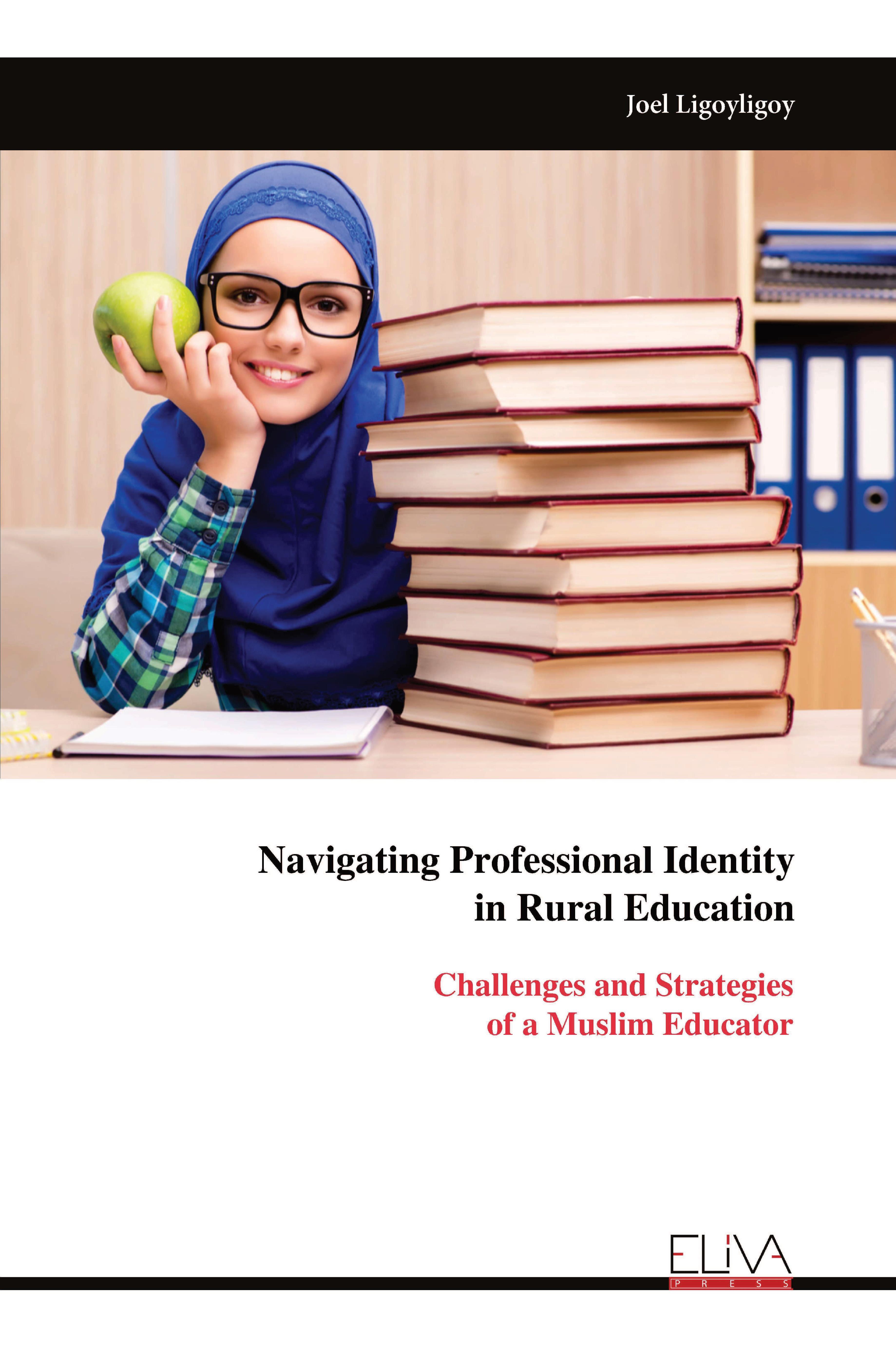
Teaching in rural schools has distinct challenges for educators due to resource constraints, geographical seclusion, and varied student demographics. Research indicates that these characteristics frequently contribute to teacher burnout and diminished job satisfaction. This study specifically investigated how a teacher manages her professional identity in a rural context. Utilizing professional identity theory and ethnomethodology, the research addressed two inquiries: (a) What obstacles does the participant encounter in a multicultural rural school? (a) In what manner do her professional standards delineate her teaching practices? Through an in-depth interview, four primary challenges: aligning the curriculum with students' cognitive levels, fostering a supportive classroom environment, guaranteeing successful lesson delivery, and sustaining a positive mindset. To address these problems, the educator implemented many strategies, including cultivating an inclusive and engaging classroom environment, integrating cultural contexts into courses, utilizing humor as an instructional tool, and employing diverse pedagogical methods to accommodate varying learning needs. The results highlight the importance of adaptation, cultural competence, and emotional resilience in forming the professional identity of rural educators. This study endorses frameworks that align with the personal and professional needs of educators in multicultural rural schools. The ramifications of this investigation are detailed.